Plaster and Drywall Crack Repair
Hairlines in old plaster ceilings, slanted splits over doors and joints that reopen each winter.
Plaster and drywall crack repairCall 7 days, 7am–9pm
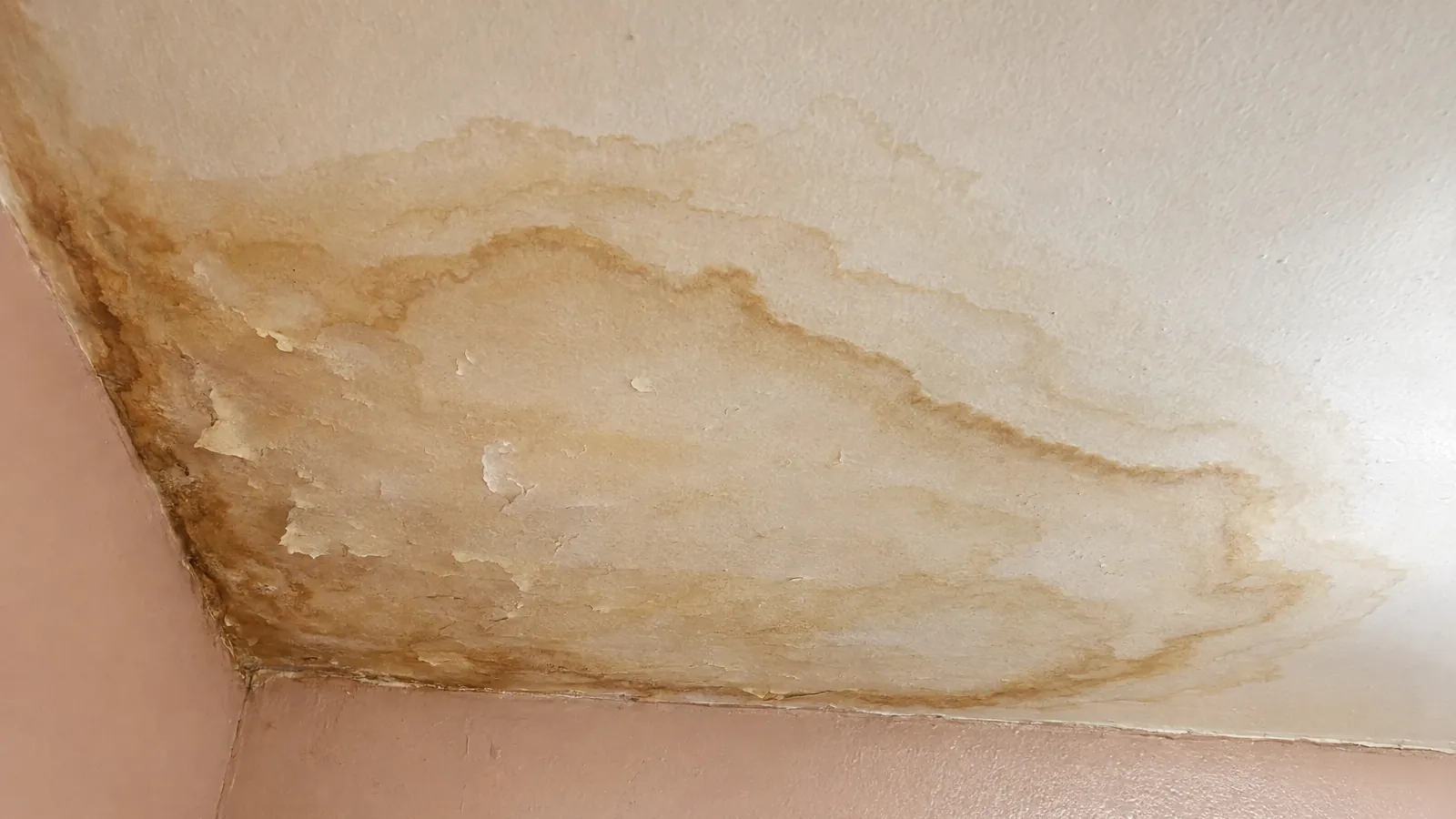
Set up a quoteCracked plaster, broken drywall, tea-colored leak rings and ceilings that have begun to dip are repaired with the surface texture copied, so a painted patch settles into the plane of the wall around it.
Call 7 days, 7am–9pm
Once you have rung, someone who repairs walls around the basin phones back to learn more and price the job.
Sending lets the repairer quoting your wall, and Middlesboro Drywall Repair Co., reach you by phone and by text. Privacy notes
Send it, and a plaster and drywall repairer based near Middlesboro calls to learn more and price the job.
Middlesboro was platted in 1888 on the floor of a meteorite crater between Pine Mountain and the Cumberland Mountains, and the young town rebuilt after a fire in 1890 before its founding company failed in the Panic of 1893, so the oldest walls here went up in a hurry and were mended by later owners. Knowing which era a room belongs to comes first in any drywall repair or plaster mend, because plaster, board and masonry each need their own materials.
The downtown blocks roughly bounded by Cumberland Avenue, 19th and 20th Streets and Edgewood Road earned National Register listing in 1983 with 61 contributing buildings, among them the First Presbyterian Church, built in 1889 and enlarged in 1912. Rooms above storefronts of that age are commonly plastered, sometimes straight onto brick, and a mend there has to bond with masonry rather than paper-faced gypsum. Downtown also took some of the worst of the June 2011 flash flood, so certain ground-floor walls have been opened and rebuilt once already, which can leave plaster and drywall meeting in one room.
The Brooks House on Arthur Heights, a Queen Anne house whose National Register record names 1889 and 1890 as its key dates, was listed in 2009, and its neighbor, the Cary-Easton House, joined the Register in 2026. Houses from the founding period were normally plastered over sawn wood lath, and the meandering hairlines across their ceilings often mean some of the plaster's grip on that lath has snapped. Drawing the loose plaster tight again before any filler goes in makes the crack far less likely to reopen.
Two Lustron houses stand along West Cumberland Avenue, and the state's historic-sites listing describes their walls as porcelain-finish steel panels on welded steel frames, one of only 36 remaining Lustron houses in Kentucky. Those panels are not gypsum, so a drywall patch is the wrong fix for them. The frame houses and later homes along the same avenue are another matter, and their plaster or sheetrock repair follows the ordinary sequence.
Nail pops, a hairline crack, a hole smaller than a coin or a screw left from a picture rail. One patch, two or three skim passes, each left to dry, spot texture and primer. Paint is usually touch-up only, provided some of the room's original can is still around.
A doorknob hole, a crack along the full run of a taped joint, or a corner bead knocked in by furniture. A wood cleat or a fresh square of gypsum fills the opening, the edges are taped, and the texture is blended over a wider area. Repainting the whole wall is often the tidiest way to hide a color shift.
A water-soaked ceiling section, a basement wall opened after a flood, or every room of a rental at move-out. Ruined gypsum is removed until firm board surrounds the opening, the cavity dries, new sheets go up on the framing and the full taping routine follows. With drying between each coat, big jobs stretch past a single day.
Two national price surveys offer a yardstick, though neither is a local price. Inch Calculator's drywall repair guide (updated October 2023) puts a small repair at roughly $60 to $200, and a bigger job, or a cluster of minor ones done together, at $300 to $900. Thumbtack's June 2026 figures for ceiling drywall repair run from $354 to $1,064 as a national average. A Middlesboro quote moves with how much wall is damaged, whether the surface is plaster or drywall, which texture has to be copied, ceiling height and how much painting follows.
Whether a house dates from the founding era or the last decade, most damage to its walls lands in one of these four groups. Every repair page walks through why the trouble starts, what a sound fix looks like and which signs mean more is going on.
Hairlines in old plaster ceilings, slanted splits over doors and joints that reopen each winter.
Plaster and drywall crack repairBelow-grade walls that wicked up water, opened to sound gypsum and rebuilt after the seepage ends.
Fixing water-damaged basement drywallTea-colored rings, blistered paint and overhead board that has begun to belly after a roof or pipe leak.
Repairing a ceiling after a leakDoorknob dents, fist-sized breaks and the gaps an old fixture leaves behind, filled and given a surface to match the room.
Patching holes of any sizeShoot one picture from the doorway for context and one from arm's length with a quarter held to the wall for scale.
Note the width of a hole or the run of a crack in inches. An estimate beats leaving it blank.
Water pooling overhead? Flip the breakers serving lights or fans in that corner of the ceiling, then clear people out of the room underneath.
Say whether the roof, pipe or appliance behind a stain has been repaired. Gypsum goes back up only on a wall that stays dry.
A rough build date helps. A pre-war house is likelier to hold plaster on lath than gypsum board.
Smooth, orange peel, knockdown, sand-finish plaster or popcorn: name it if you can, and hunt for a leftover can.
More on each stage: Our process.
| What you see | Likely cause | Where to read |
|---|---|---|
| A slanted split climbing off the corner of a door or window | Framing movement gathers stress at the corners of openings. | Crack repair |
| A straight line at the ceiling's edge that widens in winter | Roof trusses lifting with the seasons, or tape that has let go. | Seam and corner cracks |
| Little round humps lined up in rows | Screws or nails backing out as new framing dries and shrinks. | Pops and small holes |
| Blistered paint or crumbling board just above a basement floor | Moisture climbing the gypsum from a damp slab, or seeping in through block. | Basement walls |
| A tan ring, or overhead board that sags in the middle | Water from a roof, bathroom or attic line soaking the board above. | Ceiling leaks |
| Plaster that sounds hollow or flexes under a palm | Keys behind the plaster have broken away. | Loose plaster |
Of the 4,082 occupied homes in Middlesboro, 1,854 are rented, by the reckoning of federal survey data gathered from 2020 to 2024, so plenty of the patching in town is timed around a change of tenants. A few habits make turnover work simpler to price and schedule.
Sanded gypsum hangs in the air and rides the ductwork, and old plaster comes apart heavier and grittier, so a careful repair builds dust control into the work from the start. Below are the protections a careful repair includes, and each makes a fair question for the contractor during pricing.
Of Middlesboro's 4,511 homes, 816 were put up in 2000 or later by Census reckoning, and walls of that age have habits of their own. New studs keep drying out through their first couple of winters, and as they shrink, screws that sat snug on moving day nudge their heads back through the paint as small round pops. The cure is a second screw an inch or so from the first, the old head tapped beneath the paper, and a dab of compound over each.
A straight split at the junction of ceiling and partition wall, wider in January and nearly shut by July, usually traces to truss uplift: the trusses arch upward when their top members sit in cold attic air while the bottom chords stay warm beneath the insulation. Taping that corner tighter only tears again. A lasting repair releases the ceiling board along the wall's upper framing, holds its edge with drywall clips, and finishes the corner so the ceiling can ride up and down without splitting the joint; the guide to ceiling trouble covers it in more depth.
Short slanted cracks over doors in a newer house often come from settlement as the foundation beds in. Once they stop growing, they are reinforced and refinished like any other crack. One that keeps opening wider calls for an engineer before any patch.
Caulk stays rubbery and shows through paint as a shiny line; moving plaster has to be secured and reinforced, then coated with setting compound.
Regular latex can't seal it, and the tan outline creeps through again. Sealing it takes a primer formulated for stains, put on only after the board behind it proves sound and dry.
Most cracks and holes in plaster can be mended where they are. Demolition only makes sense where whole sections have parted from the lath.
A two-inch hole gets priced with the same care as a ceiling, and rolling several little ones into one trip is usually the sensible way to handle them.
Gypsum that has soaked through loses strength and seldom returns to flat; bowed board is normally taken down and replaced.